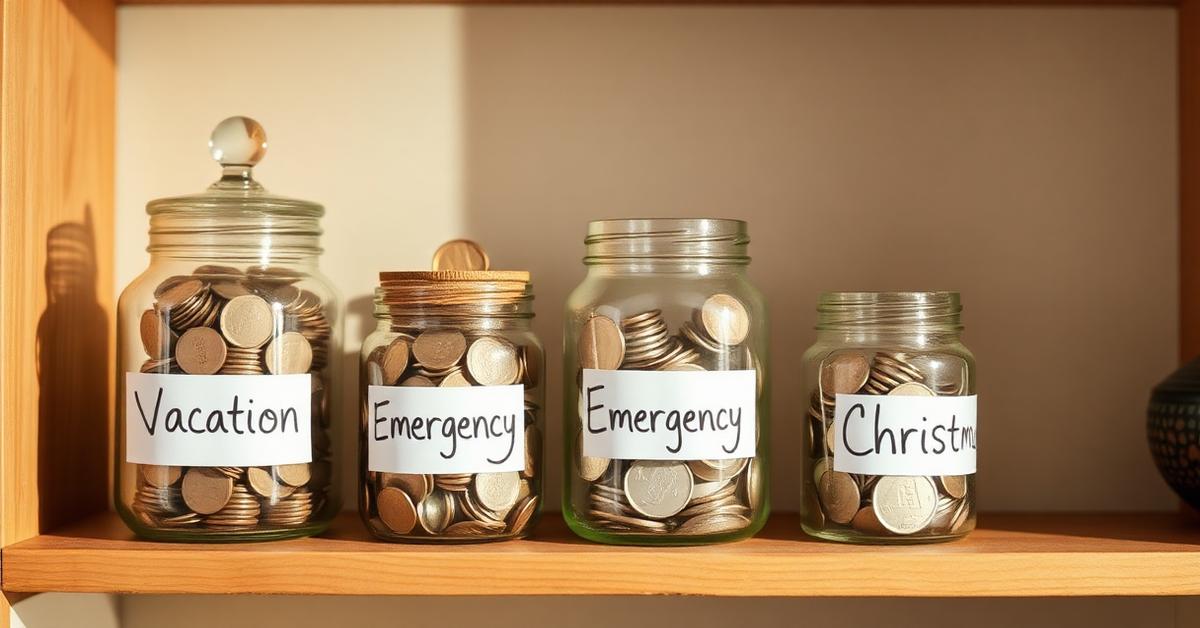
What Are Sinking Funds?
If you've ever been caught off guard by a "surprise" expense — car insurance, Christmas gifts, a school trip — then sinking funds are about to become your new best friend.
Sinking Funds Explained
A sinking fund is money you set aside each month for a specific, planned future expense. Unlike an emergency fund (which covers the unexpected), sinking funds are for expenses you know are coming but that don't happen every month.
Think of it as saving in advance so you don't have to scramble — or reach for a credit card — when the bill arrives.
Examples of Sinking Funds
Here are some common expenses couples use sinking funds for:
- Car maintenance and MOT — Cars need servicing. Set aside money monthly so the bill doesn't sting.
- Christmas and birthdays — December shouldn't be a financial emergency. Start saving in January.
- Holidays — Save monthly toward your next family holiday instead of putting it on credit.
- Home repairs — Boilers break, roofs leak. A sinking fund means you're ready.
- School costs — Uniforms, trips, activities — they add up.
- Insurance premiums — If you pay annually, save monthly so the lump sum is ready.
- Clothing — Seasonal wardrobe updates for the family.
- Medical and dental — Routine appointments and treatments.
How to Set Up Sinking Funds
Setting up sinking funds is straightforward:
- Identify your upcoming expenses — List all the non-monthly expenses you can predict over the next year.
- Estimate the cost — How much will each expense cost?
- Divide by months — If Christmas costs $600 and it's 12 months away, that's $50 per month.
- Set up separate pots or accounts — Many banks let you create savings pots with labels. Name each one for its purpose.
- Automate if possible — Set up standing orders so the money moves automatically each payday.
Sinking Funds vs. Emergency Fund
It's important to understand the difference:
- Emergency fund — Covers truly unexpected events: job loss, medical emergencies, urgent home repairs. Aim for 3-6 months of living expenses.
- Sinking funds — Cover expected but irregular expenses. These are planned; you just save for them in advance.
Both are essential. Together, they mean you're prepared for almost anything life throws at you.
Why Couples Love Sinking Funds
Sinking funds reduce financial stress because they eliminate surprises. When you know the car insurance is due in March and the money is already sitting there waiting, it's not stressful — it's satisfying.
For couples, sinking funds also reduce arguments. Instead of debating whether you can "afford" something when the bill arrives, you've already decided together and saved for it.
Getting Started
You don't need to set up 20 sinking funds at once. Start with the two or three biggest irregular expenses you face and build from there. Even saving a small amount each month toward these costs makes a significant difference.
Want help setting up sinking funds as part of your budget? Download my free Intentional Spending Plan or book a free 15-minute discovery call to get personalised support.
Want to go further?
Work through this with a coach by your side
Reading is a great start. Coaching turns insight into lasting change — for you and your partner, together.